Buy thebeginner.eu ?
We are moving the project
thebeginner.eu .
Are you interested in purchasing the domain
thebeginner.eu ?
domain@kv-gmbh.de · 0541-91531010
Buy thebeginner.eu ?
Does it now mean "Sie läuft" or "Sie läuft"?
The question seems to have a typo, as both options are the same. "Sie läuft" means "she is running" in German. If the question was meant to ask about the difference between "Sie läuft" and "Sie läuft," there is no difference in the spelling, but the context in which the phrase is used could change its meaning. **
What is the difference between sie, sie, ihnen, ihnen, etc.?
In German, "sie" and "Sie" both mean "they" or "you" (formal), but "sie" is used for informal situations and "Sie" is used for formal situations. Similarly, "ihnen" and "Ihnen" both mean "them" or "you" (formal), but "ihnen" is used for informal situations and "Ihnen" is used for formal situations. The difference lies in the capitalization, with the capitalized forms being used for formal situations and the lowercase forms being used for informal situations. **
Similar search terms for Sie
Top-Angebote
Products related to Sie:
-
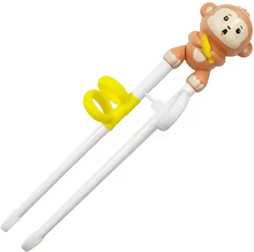
Inspire Curations Cute Cartoon Animal Training Chopsticks Beginner Learning Helper For Kids monkeyMake every mealtime a fun learning moment with these adorable kids training chopsticks designed for little hands. With playful animal designs and an easytohold structure, these cartoon training chopsticks help children develop proper grip and...53,00 $*Shipping: 0,00 $Secure redirect to the provider
-
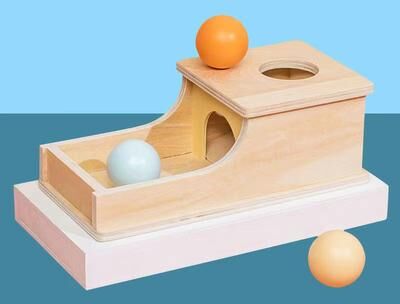
Tiny Tots Teens Trends Drawer Game Early Education Montessori Wooden Pitch Ball Box Preschool Learning Training Toy Drawer Game Early Education Montessori Wooden Pitch Ball Box Preschool Learning Training ToyThis Montessori Wooden Pitch Ball Box Drawer Game is a thoughtfully designed earlyeducation toy that transforms playtime into purposeful learning. Crafted for toddlers and preschoolers, it offers a handson, engaging way to support key developmental...39,97 $*Shipping: 0,00 $Secure redirect to the provider
-
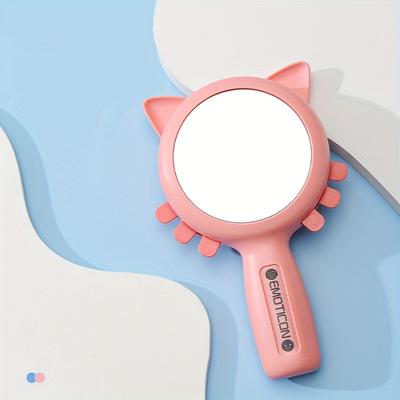
Perfect Picks Market Kids Emotional Expression Mirror Early Education & Emotional Learning Toy For Toddlers pinkNurture your childs emotional intelligence with the Kids Emotional Expression Mirrora fun, interactive learning tool designed to help toddlers understand and manage their feelings. This innovative toy features six emotional expression cards and a...49,97 $*Shipping: 0,00 $Secure redirect to the provider
-
Inspired Living Cartoon Animal Kids Training Chopsticks Beginner Toddler Chopsticks For Easy Learning & Fun Mealtime rabbitTurn mealtime struggles into small wins your child will feel proud of. These thoughtfully designed kids training chopsticks help little hands learn coordination in a fun, frustrationfree way. Made especially for beginners, they guide proper finger...23,97 $*Shipping: 0,00 $Secure redirect to the provider

-
Does it say "Sie gebärt ein Kind" or "Sie gebirt ein Kind"?
The correct phrase is "Sie gebärt ein Kind." The word "gebärt" is the third person singular form of the verb "gebären," which means "to give birth." The word "gebirt" is not a correct form of this verb in German. **
-
Is "Verstehen Sie Spaß?" faked?
"Verstehen Sie Spaß?" is a German television show that features hidden camera pranks on unsuspecting victims. While some of the pranks may be staged or scripted to some extent, the reactions of the participants are generally genuine. The show has been on air for many years and has a dedicated fan base who enjoy the humor and entertainment it provides. Overall, while there may be some elements of fakery involved, the essence of the show is based on real reactions and interactions. **
-
What do my boys mean when they say "kläer sie dir, gönn sie dir"?
When your boys say "kläer sie dir, gönn sie dir," they are encouraging you to treat yourself to some new clothes or accessories. The phrase combines the German words for "clothes" and "treat yourself," suggesting that you deserve to pamper yourself with a new wardrobe item. It's a playful way of urging you to indulge in something nice for yourself. **
-
Is it grammatically correct to say "Sie hat sich aufgehängt" or "Sie hat sich aufgehangen"?
The correct form is "Sie hat sich aufgehängt." The verb "aufhängen" is a separable verb, and in the past tense, the prefix "auf" is separated from the main verb "hängen" and placed at the end of the sentence. Therefore, the correct past tense form is "aufgehängt." **


Does one say "sie" or "ihr"?
The choice between "sie" and "ihr" depends on the context and the relationship between the speaker and the person or group being addressed. "Sie" is the formal form of address used when speaking to someone in a polite or respectful manner, or when addressing a group of people. "Ihr" is the informal form of address used when speaking to someone in a familiar or casual manner, or when addressing a group of friends or peers. It is important to consider the level of formality and familiarity in the situation to determine whether to use "sie" or "ihr." **
What does 'sie schieben Welle' mean?
The phrase 'sie schieben Welle' is a German expression that translates to 'they are making waves' in English. This phrase is often used to describe someone or a group of people who are causing a stir or attracting attention due to their actions or achievements. It implies that they are having a significant impact or influence in a particular situation or context. **
Top-Angebote
Products related to Sie:
-
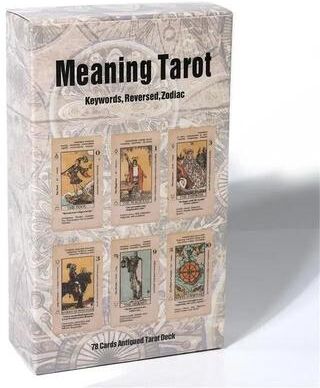
Uplifted Finds Beginner Tarot Deck With Keywords & Meanings Antiqued Learning Tarot 78 Card Set Beginner Tarot Deck With Keywords & Meanings Antiqued Learning Tarot 78 Card SetCommand ultimate spiritual confidence with the Beginner Learning Tarot System, a highperformance metaphysical solution specifically engineered to act as a comprehensive tool for elite organization and superior technical ergonomics. Built with a...44,97 $*Shipping: 0,00 $Secure redirect to the provider
-
Perfect Picks Market Montessori Reusable Learning Cards Set For Kids Early Education Writing Practice Game Montessori Reusable Learning Cards Set For Kids Early Education Writing Practice GameTurn everyday learning into a fun, handson experience with these Montessori toys designed to spark curiosity and creativity. This engaging set of reusable cards helps young children build essential skills through play, making it perfect for early...39,97 $*Shipping: 0,00 $Secure redirect to the provider
-
Inspire Curations Cute Cartoon Animal Training Chopsticks Beginner Learning Helper For Kids monkeyMake every mealtime a fun learning moment with these adorable kids training chopsticks designed for little hands. With playful animal designs and an easytohold structure, these cartoon training chopsticks help children develop proper grip and...53,00 $*Shipping: 0,00 $Secure redirect to the provider
-
Tiny Tots Teens Trends Drawer Game Early Education Montessori Wooden Pitch Ball Box Preschool Learning Training Toy Drawer Game Early Education Montessori Wooden Pitch Ball Box Preschool Learning Training ToyThis Montessori Wooden Pitch Ball Box Drawer Game is a thoughtfully designed earlyeducation toy that transforms playtime into purposeful learning. Crafted for toddlers and preschoolers, it offers a handson, engaging way to support key developmental...39,97 $*Shipping: 0,00 $Secure redirect to the provider
-
Does it now mean "Sie läuft" or "Sie läuft"?
The question seems to have a typo, as both options are the same. "Sie läuft" means "she is running" in German. If the question was meant to ask about the difference between "Sie läuft" and "Sie läuft," there is no difference in the spelling, but the context in which the phrase is used could change its meaning. **
-
What is the difference between sie, sie, ihnen, ihnen, etc.?
In German, "sie" and "Sie" both mean "they" or "you" (formal), but "sie" is used for informal situations and "Sie" is used for formal situations. Similarly, "ihnen" and "Ihnen" both mean "them" or "you" (formal), but "ihnen" is used for informal situations and "Ihnen" is used for formal situations. The difference lies in the capitalization, with the capitalized forms being used for formal situations and the lowercase forms being used for informal situations. **
-
Does it say "Sie gebärt ein Kind" or "Sie gebirt ein Kind"?
The correct phrase is "Sie gebärt ein Kind." The word "gebärt" is the third person singular form of the verb "gebären," which means "to give birth." The word "gebirt" is not a correct form of this verb in German. **
-
Is "Verstehen Sie Spaß?" faked?
"Verstehen Sie Spaß?" is a German television show that features hidden camera pranks on unsuspecting victims. While some of the pranks may be staged or scripted to some extent, the reactions of the participants are generally genuine. The show has been on air for many years and has a dedicated fan base who enjoy the humor and entertainment it provides. Overall, while there may be some elements of fakery involved, the essence of the show is based on real reactions and interactions. **
Similar search terms for Sie
-
Perfect Picks Market Kids Emotional Expression Mirror Early Education & Emotional Learning Toy For Toddlers pinkNurture your childs emotional intelligence with the Kids Emotional Expression Mirrora fun, interactive learning tool designed to help toddlers understand and manage their feelings. This innovative toy features six emotional expression cards and a...49,97 $*Shipping: 0,00 $Secure redirect to the provider
-
Inspired Living Cartoon Animal Kids Training Chopsticks Beginner Toddler Chopsticks For Easy Learning & Fun Mealtime rabbitTurn mealtime struggles into small wins your child will feel proud of. These thoughtfully designed kids training chopsticks help little hands learn coordination in a fun, frustrationfree way. Made especially for beginners, they guide proper finger...23,97 $*Shipping: 0,00 $Secure redirect to the provider
-
Perfect Picks Market Kids Emotional Expression Mirror Early Education & Emotional Learning Toy For Toddlers blueNurture your childs emotional intelligence with the Kids Emotional Expression Mirrora fun, interactive learning tool designed to help toddlers understand and manage their feelings. This innovative toy features six emotional expression cards and a...49,97 $*Shipping: 0,00 $Secure redirect to the provider
-
Inspired Living Cartoon Animal Kids Training Chopsticks Beginner Toddler Chopsticks For Easy Learning & Fun Mealtime pigTurn mealtime struggles into small wins your child will feel proud of. These thoughtfully designed kids training chopsticks help little hands learn coordination in a fun, frustrationfree way. Made especially for beginners, they guide proper finger...23,97 $*Shipping: 0,00 $Secure redirect to the provider
-
What do my boys mean when they say "kläer sie dir, gönn sie dir"?
When your boys say "kläer sie dir, gönn sie dir," they are encouraging you to treat yourself to some new clothes or accessories. The phrase combines the German words for "clothes" and "treat yourself," suggesting that you deserve to pamper yourself with a new wardrobe item. It's a playful way of urging you to indulge in something nice for yourself. **
-
Is it grammatically correct to say "Sie hat sich aufgehängt" or "Sie hat sich aufgehangen"?
The correct form is "Sie hat sich aufgehängt." The verb "aufhängen" is a separable verb, and in the past tense, the prefix "auf" is separated from the main verb "hängen" and placed at the end of the sentence. Therefore, the correct past tense form is "aufgehängt." **
-
Does one say "sie" or "ihr"?
The choice between "sie" and "ihr" depends on the context and the relationship between the speaker and the person or group being addressed. "Sie" is the formal form of address used when speaking to someone in a polite or respectful manner, or when addressing a group of people. "Ihr" is the informal form of address used when speaking to someone in a familiar or casual manner, or when addressing a group of friends or peers. It is important to consider the level of formality and familiarity in the situation to determine whether to use "sie" or "ihr." **
-
What does 'sie schieben Welle' mean?
The phrase 'sie schieben Welle' is a German expression that translates to 'they are making waves' in English. This phrase is often used to describe someone or a group of people who are causing a stir or attracting attention due to their actions or achievements. It implies that they are having a significant impact or influence in a particular situation or context. **
* All prices are inclusive of VAT and, if applicable, plus shipping costs. The offer information is based on the details provided by the respective shop and is updated through automated processes. Real-time updates do not occur, so deviations can occur in individual cases. ** Note: Parts of this content were created by AI.