Buy thebeginner.eu ?
We are moving the project
thebeginner.eu .
Are you interested in purchasing the domain
thebeginner.eu ?
domain@kv-gmbh.de · 0541-91531010
Buy thebeginner.eu ?
How do I apply for a planned further education?
To apply for a planned further education, you should start by researching the specific program or institution you are interested in. Once you have identified the program, you will need to review the application requirements and deadlines. This may include submitting an application form, transcripts, letters of recommendation, and a personal statement. Additionally, you may need to take standardized tests such as the GRE or GMAT. It is important to carefully follow the application instructions and submit all required materials by the deadline. **
What is planned obsolescence?
Planned obsolescence is a business strategy where products are intentionally designed to have a limited lifespan or become outdated quickly, encouraging consumers to replace them sooner than necessary. This practice ensures a continuous demand for new products and generates more sales for the company. Critics argue that planned obsolescence is environmentally harmful as it leads to increased waste and resource consumption. **
Similar search terms for Planned
Top-Angebote
Products related to Planned:
-
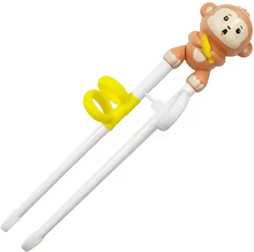
Inspire Curations Cute Cartoon Animal Training Chopsticks Beginner Learning Helper For Kids monkeyMake every mealtime a fun learning moment with these adorable kids training chopsticks designed for little hands. With playful animal designs and an easytohold structure, these cartoon training chopsticks help children develop proper grip and...53,00 $*Shipping: 0,00 $Secure redirect to the provider
-
Tiny Tots Teens Trends Drawer Game Early Education Montessori Wooden Pitch Ball Box Preschool Learning Training Toy Drawer Game Early Education Montessori Wooden Pitch Ball Box Preschool Learning Training ToyThis Montessori Wooden Pitch Ball Box Drawer Game is a thoughtfully designed earlyeducation toy that transforms playtime into purposeful learning. Crafted for toddlers and preschoolers, it offers a handson, engaging way to support key developmental...39,97 $*Shipping: 0,00 $Secure redirect to the provider
-
Perfect Picks Market Kids Emotional Expression Mirror Early Education & Emotional Learning Toy For Toddlers blueNurture your childs emotional intelligence with the Kids Emotional Expression Mirrora fun, interactive learning tool designed to help toddlers understand and manage their feelings. This innovative toy features six emotional expression cards and a...49,97 $*Shipping: 0,00 $Secure redirect to the provider
-
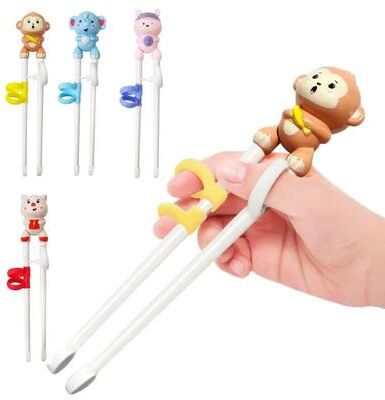
Inspired Living Cartoon Animal Kids Training Chopsticks Beginner Toddler Chopsticks For Easy Learning & Fun Mealtime monkeyTurn mealtime struggles into small wins your child will feel proud of. These thoughtfully designed kids training chopsticks help little hands learn coordination in a fun, frustrationfree way. Made especially for beginners, they guide proper finger...23,97 $*Shipping: 0,00 $Secure redirect to the provider


-
"Human, spontaneous or planned?"
Humans are capable of both spontaneous and planned actions. Spontaneous actions are those that are done without much forethought or preparation, often in response to immediate circumstances. On the other hand, planned actions are those that are thought out in advance and executed according to a predetermined strategy or schedule. Both types of actions are important for human behavior and can be influenced by a variety of factors such as personality, environment, and individual preferences. **
-
What is the difference between a centrally planned economy and a planned economy?
A centrally planned economy is a type of planned economy where the government makes all decisions regarding production, distribution, and consumption of goods and services. In a centrally planned economy, the government owns most, if not all, of the means of production. On the other hand, a planned economy is a broader term that encompasses any economy where the government plays a significant role in planning and regulating economic activities, but it may not necessarily involve complete government ownership of all resources. Planned economies can have varying degrees of government intervention, while centrally planned economies have a high level of government control and ownership. **
-
Are German cities poorly planned?
German cities are generally well-planned, with efficient public transportation systems, pedestrian-friendly areas, and a mix of residential and commercial spaces. However, some cities, like Berlin, have faced challenges due to rapid population growth and the need to accommodate large numbers of residents. Overall, German cities prioritize sustainability, green spaces, and a high quality of life for residents, making them well-planned compared to many other cities around the world. **
-
Should planned obsolescence be banned?
Planned obsolescence should be regulated rather than banned entirely. While it can lead to wasteful consumption and environmental harm, it also drives innovation and economic growth. By implementing regulations that promote sustainable design and responsible consumption, we can strike a balance between encouraging innovation and protecting the environment. Additionally, companies should be held accountable for their products' lifespan and provide options for repair and recycling to minimize waste. **


Can a planned economy work?
A planned economy can work in theory, as it allows for centralized decision-making and allocation of resources based on the needs of society. However, in practice, planned economies have often struggled to efficiently allocate resources, respond to changing market conditions, and incentivize innovation and productivity. This can lead to inefficiencies, shortages, and lack of consumer choice. Ultimately, the success of a planned economy depends on the effectiveness of its central planning authority, the flexibility of its decision-making processes, and the ability to adapt to changing economic conditions. **
What are planned economy tendencies?
Planned economy tendencies refer to the characteristics of an economic system where the government or a central authority makes decisions regarding production, distribution, and resource allocation. These tendencies include centralized decision-making, government ownership of key industries, and a focus on meeting collective goals rather than individual preferences. Planned economies often prioritize social welfare and equality over profit maximization and competition. However, they can also lead to inefficiencies, lack of innovation, and limited consumer choice. **
Top-Angebote
Products related to Planned:
-
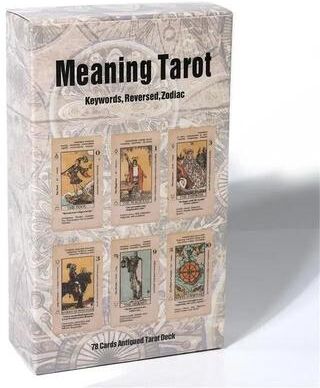
Uplifted Finds Beginner Tarot Deck With Keywords & Meanings Antiqued Learning Tarot 78 Card Set Beginner Tarot Deck With Keywords & Meanings Antiqued Learning Tarot 78 Card SetCommand ultimate spiritual confidence with the Beginner Learning Tarot System, a highperformance metaphysical solution specifically engineered to act as a comprehensive tool for elite organization and superior technical ergonomics. Built with a...44,97 $*Shipping: 0,00 $Secure redirect to the provider
-
Perfect Picks Market Montessori Reusable Learning Cards Set For Kids Early Education Writing Practice Game Montessori Reusable Learning Cards Set For Kids Early Education Writing Practice GameTurn everyday learning into a fun, handson experience with these Montessori toys designed to spark curiosity and creativity. This engaging set of reusable cards helps young children build essential skills through play, making it perfect for early...39,97 $*Shipping: 0,00 $Secure redirect to the provider
-
Inspire Curations Cute Cartoon Animal Training Chopsticks Beginner Learning Helper For Kids monkeyMake every mealtime a fun learning moment with these adorable kids training chopsticks designed for little hands. With playful animal designs and an easytohold structure, these cartoon training chopsticks help children develop proper grip and...53,00 $*Shipping: 0,00 $Secure redirect to the provider
-
Tiny Tots Teens Trends Drawer Game Early Education Montessori Wooden Pitch Ball Box Preschool Learning Training Toy Drawer Game Early Education Montessori Wooden Pitch Ball Box Preschool Learning Training ToyThis Montessori Wooden Pitch Ball Box Drawer Game is a thoughtfully designed earlyeducation toy that transforms playtime into purposeful learning. Crafted for toddlers and preschoolers, it offers a handson, engaging way to support key developmental...39,97 $*Shipping: 0,00 $Secure redirect to the provider
-
How do I apply for a planned further education?
To apply for a planned further education, you should start by researching the specific program or institution you are interested in. Once you have identified the program, you will need to review the application requirements and deadlines. This may include submitting an application form, transcripts, letters of recommendation, and a personal statement. Additionally, you may need to take standardized tests such as the GRE or GMAT. It is important to carefully follow the application instructions and submit all required materials by the deadline. **
-
What is planned obsolescence?
Planned obsolescence is a business strategy where products are intentionally designed to have a limited lifespan or become outdated quickly, encouraging consumers to replace them sooner than necessary. This practice ensures a continuous demand for new products and generates more sales for the company. Critics argue that planned obsolescence is environmentally harmful as it leads to increased waste and resource consumption. **
-
"Human, spontaneous or planned?"
Humans are capable of both spontaneous and planned actions. Spontaneous actions are those that are done without much forethought or preparation, often in response to immediate circumstances. On the other hand, planned actions are those that are thought out in advance and executed according to a predetermined strategy or schedule. Both types of actions are important for human behavior and can be influenced by a variety of factors such as personality, environment, and individual preferences. **
-
What is the difference between a centrally planned economy and a planned economy?
A centrally planned economy is a type of planned economy where the government makes all decisions regarding production, distribution, and consumption of goods and services. In a centrally planned economy, the government owns most, if not all, of the means of production. On the other hand, a planned economy is a broader term that encompasses any economy where the government plays a significant role in planning and regulating economic activities, but it may not necessarily involve complete government ownership of all resources. Planned economies can have varying degrees of government intervention, while centrally planned economies have a high level of government control and ownership. **
Similar search terms for Planned
-
Perfect Picks Market Kids Emotional Expression Mirror Early Education & Emotional Learning Toy For Toddlers blueNurture your childs emotional intelligence with the Kids Emotional Expression Mirrora fun, interactive learning tool designed to help toddlers understand and manage their feelings. This innovative toy features six emotional expression cards and a...49,97 $*Shipping: 0,00 $Secure redirect to the provider
-
Inspired Living Cartoon Animal Kids Training Chopsticks Beginner Toddler Chopsticks For Easy Learning & Fun Mealtime monkeyTurn mealtime struggles into small wins your child will feel proud of. These thoughtfully designed kids training chopsticks help little hands learn coordination in a fun, frustrationfree way. Made especially for beginners, they guide proper finger...23,97 $*Shipping: 0,00 $Secure redirect to the provider
-
Perfect Picks Market Kids Emotional Expression Mirror Early Education & Emotional Learning Toy For Toddlers pinkNurture your childs emotional intelligence with the Kids Emotional Expression Mirrora fun, interactive learning tool designed to help toddlers understand and manage their feelings. This innovative toy features six emotional expression cards and a...49,97 $*Shipping: 0,00 $Secure redirect to the provider
-
Inspired Living Cartoon Animal Kids Training Chopsticks Beginner Toddler Chopsticks For Easy Learning & Fun Mealtime elephantTurn mealtime struggles into small wins your child will feel proud of. These thoughtfully designed kids training chopsticks help little hands learn coordination in a fun, frustrationfree way. Made especially for beginners, they guide proper finger...23,97 $*Shipping: 0,00 $Secure redirect to the provider
-
Are German cities poorly planned?
German cities are generally well-planned, with efficient public transportation systems, pedestrian-friendly areas, and a mix of residential and commercial spaces. However, some cities, like Berlin, have faced challenges due to rapid population growth and the need to accommodate large numbers of residents. Overall, German cities prioritize sustainability, green spaces, and a high quality of life for residents, making them well-planned compared to many other cities around the world. **
-
Should planned obsolescence be banned?
Planned obsolescence should be regulated rather than banned entirely. While it can lead to wasteful consumption and environmental harm, it also drives innovation and economic growth. By implementing regulations that promote sustainable design and responsible consumption, we can strike a balance between encouraging innovation and protecting the environment. Additionally, companies should be held accountable for their products' lifespan and provide options for repair and recycling to minimize waste. **
-
Can a planned economy work?
A planned economy can work in theory, as it allows for centralized decision-making and allocation of resources based on the needs of society. However, in practice, planned economies have often struggled to efficiently allocate resources, respond to changing market conditions, and incentivize innovation and productivity. This can lead to inefficiencies, shortages, and lack of consumer choice. Ultimately, the success of a planned economy depends on the effectiveness of its central planning authority, the flexibility of its decision-making processes, and the ability to adapt to changing economic conditions. **
-
What are planned economy tendencies?
Planned economy tendencies refer to the characteristics of an economic system where the government or a central authority makes decisions regarding production, distribution, and resource allocation. These tendencies include centralized decision-making, government ownership of key industries, and a focus on meeting collective goals rather than individual preferences. Planned economies often prioritize social welfare and equality over profit maximization and competition. However, they can also lead to inefficiencies, lack of innovation, and limited consumer choice. **
* All prices are inclusive of VAT and, if applicable, plus shipping costs. The offer information is based on the details provided by the respective shop and is updated through automated processes. Real-time updates do not occur, so deviations can occur in individual cases. ** Note: Parts of this content were created by AI.