Buy thebeginner.eu ?
We are moving the project
thebeginner.eu .
Are you interested in purchasing the domain
thebeginner.eu ?
domain@kv-gmbh.de · 0541-91531010
Buy thebeginner.eu ?
Why do you perform chest compressions?
Chest compressions are performed during cardiopulmonary resuscitation (CPR) to manually pump blood through the body when the heart is not able to do so effectively. This helps to maintain blood flow to vital organs, such as the brain, until more advanced medical help can arrive. The goal of chest compressions is to keep the person alive until their heart can be restarted or until emergency medical services can take over. **
What are air compressions and air dilutions?
Air compressions refer to the process of increasing the pressure of air by reducing its volume. This is typically achieved using a mechanical device such as a compressor. Air dilution, on the other hand, refers to the process of reducing the concentration of a substance in the air by mixing it with a larger volume of clean air. This can be done to reduce the concentration of pollutants or to lower the concentration of a specific gas in a confined space. Both air compressions and air dilutions are important processes in various industrial, commercial, and environmental applications. **


Similar search terms for Compressions
Top-Angebote
Products related to Compressions:
-
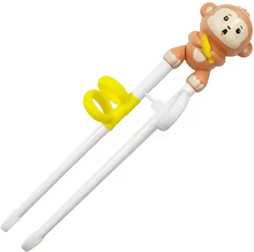
Inspire Curations Cute Cartoon Animal Training Chopsticks Beginner Learning Helper For Kids monkeyMake every mealtime a fun learning moment with these adorable kids training chopsticks designed for little hands. With playful animal designs and an easytohold structure, these cartoon training chopsticks help children develop proper grip and...53,00 $*Shipping: 0,00 $Secure redirect to the provider
-
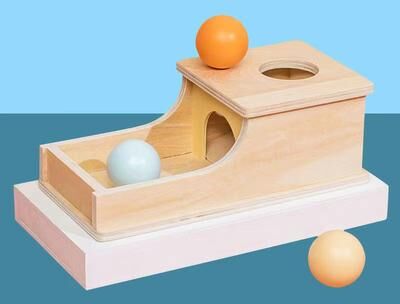
Tiny Tots Teens Trends Drawer Game Early Education Montessori Wooden Pitch Ball Box Preschool Learning Training Toy Drawer Game Early Education Montessori Wooden Pitch Ball Box Preschool Learning Training ToyThis Montessori Wooden Pitch Ball Box Drawer Game is a thoughtfully designed earlyeducation toy that transforms playtime into purposeful learning. Crafted for toddlers and preschoolers, it offers a handson, engaging way to support key developmental...39,97 $*Shipping: 0,00 $Secure redirect to the provider
-
Perfect Picks Market Kids Emotional Expression Mirror Early Education & Emotional Learning Toy For Toddlers pinkNurture your childs emotional intelligence with the Kids Emotional Expression Mirrora fun, interactive learning tool designed to help toddlers understand and manage their feelings. This innovative toy features six emotional expression cards and a...49,97 $*Shipping: 0,00 $Secure redirect to the provider
-
Inspired Living Cartoon Animal Kids Training Chopsticks Beginner Toddler Chopsticks For Easy Learning & Fun Mealtime rabbitTurn mealtime struggles into small wins your child will feel proud of. These thoughtfully designed kids training chopsticks help little hands learn coordination in a fun, frustrationfree way. Made especially for beginners, they guide proper finger...23,97 $*Shipping: 0,00 $Secure redirect to the provider


-
How do you perform chest compressions on a woman?
When performing chest compressions on a woman, the technique is the same as for a man. Place the heel of one hand on the center of the woman's chest, between the nipples. Place the other hand on top of the first hand and interlock the fingers. Keep your arms straight and position your shoulders directly above your hands. Press down firmly and quickly, allowing the chest to recoil completely between compressions. Remember to perform compressions at a rate of 100-120 per minute. **
-
How often do you perform chest compressions during resuscitation?
During resuscitation, chest compressions are typically performed at a rate of 100 to 120 compressions per minute. The compressions are performed continuously until emergency medical services arrive or until the person shows signs of life. **
-
What happens if you perform chest compressions without reason?
Performing chest compressions without reason can cause harm to the person receiving them. Chest compressions can cause broken ribs, damage to internal organs, and other injuries if not done properly or if not needed. It is important to only perform chest compressions when the person is in cardiac arrest and not breathing, as part of CPR. Otherwise, it is crucial to assess the situation and provide the appropriate care based on the person's condition. **
-
How to perform chest compressions on individuals with pectus excavatum?
When performing chest compressions on individuals with pectus excavatum, it is important to place the heel of your hand slightly higher on the sternum to ensure effective compression. This adjustment helps to avoid the deeper depression caused by the condition. It is also recommended to use the standard compression depth of at least 2 inches for adults and to maintain the proper rate of compressions at 100-120 per minute. Additionally, be mindful of any discomfort the individual may experience during the process and adjust your technique as needed. **


How to perform chest compressions on individuals with funnel chest?
When performing chest compressions on individuals with funnel chest, it is important to adjust the hand placement slightly. Instead of placing the heel of the hand in the center of the chest, it should be positioned slightly to the side of the sternum to avoid putting direct pressure on the depressed area. The compressions should still be performed at a rate of 100-120 per minute, with the chest being compressed at least 2 inches deep. It is crucial to ensure that the compressions are effective in order to maintain blood flow and circulation to vital organs. **
How do you perform chest compressions on individuals with pectus excavatum?
When performing chest compressions on individuals with pectus excavatum, it is important to place the heel of your hand slightly higher on the sternum to ensure effective compression. This adjustment helps to avoid putting excessive pressure on the chest wall and minimizes the risk of causing injury. It is also recommended to use the standard compression depth of at least 2 inches for adults and to maintain the proper rate of compressions, which is around 100-120 compressions per minute. Additionally, it is crucial to monitor the effectiveness of the compressions by checking for adequate chest rise and fall during CPR. **
Top-Angebote
Products related to Compressions:
-
Uplifted Finds Beginner Tarot Deck With Keywords & Meanings Antiqued Learning Tarot 78 Card Set Beginner Tarot Deck With Keywords & Meanings Antiqued Learning Tarot 78 Card SetCommand ultimate spiritual confidence with the Beginner Learning Tarot System, a highperformance metaphysical solution specifically engineered to act as a comprehensive tool for elite organization and superior technical ergonomics. Built with a...44,97 $*Shipping: 0,00 $Secure redirect to the provider
-
Perfect Picks Market Montessori Reusable Learning Cards Set For Kids Early Education Writing Practice Game Montessori Reusable Learning Cards Set For Kids Early Education Writing Practice GameTurn everyday learning into a fun, handson experience with these Montessori toys designed to spark curiosity and creativity. This engaging set of reusable cards helps young children build essential skills through play, making it perfect for early...39,97 $*Shipping: 0,00 $Secure redirect to the provider
-
Inspire Curations Cute Cartoon Animal Training Chopsticks Beginner Learning Helper For Kids monkeyMake every mealtime a fun learning moment with these adorable kids training chopsticks designed for little hands. With playful animal designs and an easytohold structure, these cartoon training chopsticks help children develop proper grip and...53,00 $*Shipping: 0,00 $Secure redirect to the provider
-
Tiny Tots Teens Trends Drawer Game Early Education Montessori Wooden Pitch Ball Box Preschool Learning Training Toy Drawer Game Early Education Montessori Wooden Pitch Ball Box Preschool Learning Training ToyThis Montessori Wooden Pitch Ball Box Drawer Game is a thoughtfully designed earlyeducation toy that transforms playtime into purposeful learning. Crafted for toddlers and preschoolers, it offers a handson, engaging way to support key developmental...39,97 $*Shipping: 0,00 $Secure redirect to the provider
-
Why do you perform chest compressions?
Chest compressions are performed during cardiopulmonary resuscitation (CPR) to manually pump blood through the body when the heart is not able to do so effectively. This helps to maintain blood flow to vital organs, such as the brain, until more advanced medical help can arrive. The goal of chest compressions is to keep the person alive until their heart can be restarted or until emergency medical services can take over. **
-
What are air compressions and air dilutions?
Air compressions refer to the process of increasing the pressure of air by reducing its volume. This is typically achieved using a mechanical device such as a compressor. Air dilution, on the other hand, refers to the process of reducing the concentration of a substance in the air by mixing it with a larger volume of clean air. This can be done to reduce the concentration of pollutants or to lower the concentration of a specific gas in a confined space. Both air compressions and air dilutions are important processes in various industrial, commercial, and environmental applications. **
-
How do you perform chest compressions on a woman?
When performing chest compressions on a woman, the technique is the same as for a man. Place the heel of one hand on the center of the woman's chest, between the nipples. Place the other hand on top of the first hand and interlock the fingers. Keep your arms straight and position your shoulders directly above your hands. Press down firmly and quickly, allowing the chest to recoil completely between compressions. Remember to perform compressions at a rate of 100-120 per minute. **
-
How often do you perform chest compressions during resuscitation?
During resuscitation, chest compressions are typically performed at a rate of 100 to 120 compressions per minute. The compressions are performed continuously until emergency medical services arrive or until the person shows signs of life. **
Similar search terms for Compressions
-
Perfect Picks Market Kids Emotional Expression Mirror Early Education & Emotional Learning Toy For Toddlers pinkNurture your childs emotional intelligence with the Kids Emotional Expression Mirrora fun, interactive learning tool designed to help toddlers understand and manage their feelings. This innovative toy features six emotional expression cards and a...49,97 $*Shipping: 0,00 $Secure redirect to the provider
-
Inspired Living Cartoon Animal Kids Training Chopsticks Beginner Toddler Chopsticks For Easy Learning & Fun Mealtime rabbitTurn mealtime struggles into small wins your child will feel proud of. These thoughtfully designed kids training chopsticks help little hands learn coordination in a fun, frustrationfree way. Made especially for beginners, they guide proper finger...23,97 $*Shipping: 0,00 $Secure redirect to the provider
-
Perfect Picks Market Kids Emotional Expression Mirror Early Education & Emotional Learning Toy For Toddlers blueNurture your childs emotional intelligence with the Kids Emotional Expression Mirrora fun, interactive learning tool designed to help toddlers understand and manage their feelings. This innovative toy features six emotional expression cards and a...49,97 $*Shipping: 0,00 $Secure redirect to the provider
-
Inspired Living Cartoon Animal Kids Training Chopsticks Beginner Toddler Chopsticks For Easy Learning & Fun Mealtime elephantTurn mealtime struggles into small wins your child will feel proud of. These thoughtfully designed kids training chopsticks help little hands learn coordination in a fun, frustrationfree way. Made especially for beginners, they guide proper finger...23,97 $*Shipping: 0,00 $Secure redirect to the provider
-
What happens if you perform chest compressions without reason?
Performing chest compressions without reason can cause harm to the person receiving them. Chest compressions can cause broken ribs, damage to internal organs, and other injuries if not done properly or if not needed. It is important to only perform chest compressions when the person is in cardiac arrest and not breathing, as part of CPR. Otherwise, it is crucial to assess the situation and provide the appropriate care based on the person's condition. **
-
How to perform chest compressions on individuals with pectus excavatum?
When performing chest compressions on individuals with pectus excavatum, it is important to place the heel of your hand slightly higher on the sternum to ensure effective compression. This adjustment helps to avoid the deeper depression caused by the condition. It is also recommended to use the standard compression depth of at least 2 inches for adults and to maintain the proper rate of compressions at 100-120 per minute. Additionally, be mindful of any discomfort the individual may experience during the process and adjust your technique as needed. **
-
How to perform chest compressions on individuals with funnel chest?
When performing chest compressions on individuals with funnel chest, it is important to adjust the hand placement slightly. Instead of placing the heel of the hand in the center of the chest, it should be positioned slightly to the side of the sternum to avoid putting direct pressure on the depressed area. The compressions should still be performed at a rate of 100-120 per minute, with the chest being compressed at least 2 inches deep. It is crucial to ensure that the compressions are effective in order to maintain blood flow and circulation to vital organs. **
-
How do you perform chest compressions on individuals with pectus excavatum?
When performing chest compressions on individuals with pectus excavatum, it is important to place the heel of your hand slightly higher on the sternum to ensure effective compression. This adjustment helps to avoid putting excessive pressure on the chest wall and minimizes the risk of causing injury. It is also recommended to use the standard compression depth of at least 2 inches for adults and to maintain the proper rate of compressions, which is around 100-120 compressions per minute. Additionally, it is crucial to monitor the effectiveness of the compressions by checking for adequate chest rise and fall during CPR. **
* All prices are inclusive of VAT and, if applicable, plus shipping costs. The offer information is based on the details provided by the respective shop and is updated through automated processes. Real-time updates do not occur, so deviations can occur in individual cases. ** Note: Parts of this content were created by AI.